
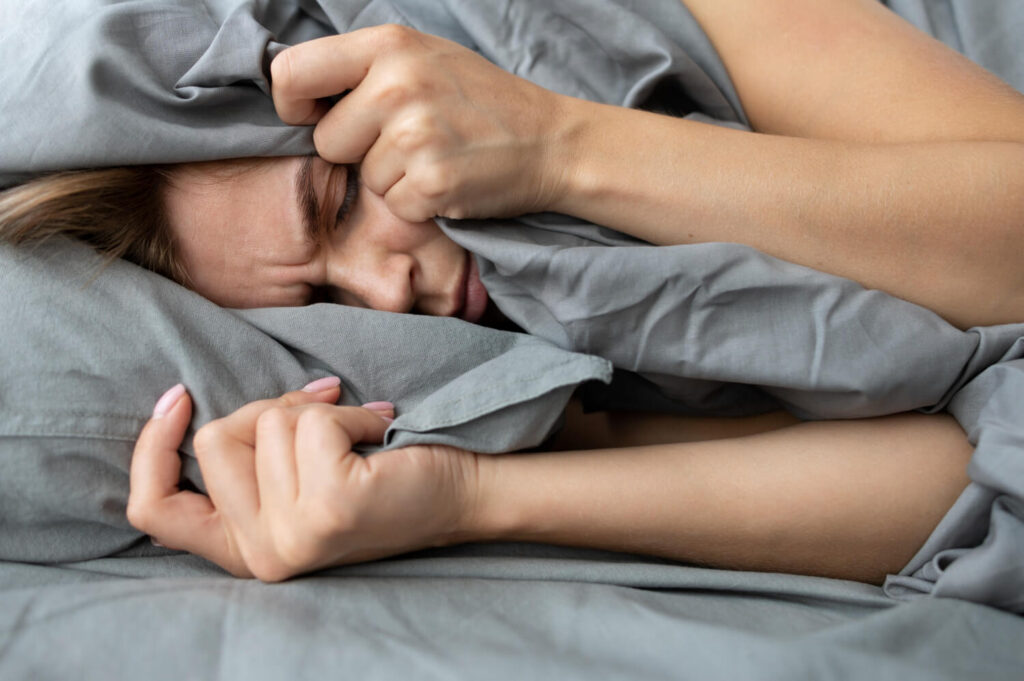
Sleep facilitates several processes that support normal brain function and preserve general health. Sleep deprivation is a serious concern in this fast-paced world. Your body has less time to heal at night if you don’t get enough good sleep. Additionally, this may weaken your body’s resistance to illnesses and ailments. Let’s learn more about it and find ways how you can come back to it.
Sleep and our general physical health have an intertwined relationship. After a long tiring day, sleep enables the brain and body to recover over the night so you may wake up energized the next day. Nevertheless, obtaining the necessary amount of sleep may be a challenging task due to any stress, your physical health, or any sleep-related medical disorders.
What is sleep deprivation?
Sleep deprivation is a term that describes the consistent lack of sleep. This happens due to several factors like work, stress, or any underlying sleep disorders. Sleeping less than 6 hours or less can lead to low energy and a bad mood the next day. It’s not only about the number of hours you sleep but also the quality of sleep that matters.
Effects of lack of sleep on the body:
If you’ve ever been up all night, you already know that you’ll wake up feeling exhausted, irritable, and uneasy the next day. However, there are more consequences than just feeling sleepy and irritable when you don’t get the required 7 to 9 hours of sleep per night. Sleeping less than affects the body negatively in various ways.
1. Physical health:
Since getting enough sleep is crucial for many body processes, sleep deprivation may have a major effect on general physical health. Lack of sleep over time can have many detrimental effects on one’s physical well-being. People who don’t get enough sleep are more likely to have these problems:
- Weight gain and obesity
- Dementia
- Car crash (while driving)
- Heart attack
- High blood pressure
- Type 2 diabetes
- Depression and anxiety
- Obstructive sleep apnea
- Reduced immunity
- Cancer
- Early death
One or more of these symptoms can occur in the case of chronic sleep deprivation.
2. Central nervous system:
The central nervous system is our body’s primary information route. Because our body needs sleep to function correctly, persistent insomnia might interfere with the normal transmission and processing of information through the brain.
- Your brain’s neurons, or nerve cells, create connections with one another as you sleep, which aids in the retention of newly learned information. Lack of sleep wears down your brain, making it less capable of carrying out its functions.
- You could have trouble focusing or picking up new skills. There may be a delay in the signals your body delivers, which might impair your coordination and raise your risk of accidents.
- Lack of sleep also has a detrimental impact on your emotional and mental health. You can have mood changes or feel more irritated.
- It may impair creativity and decision-making abilities.
3. Lack of immunity:
When we sleep, our immune system produces protective, infection-fighting substances like cytokines and antibodies. Our bodies use these substances to combat bacteria or viruses. Sleep deprivation prevents your body from building up these substances, in turn, making your immune system weaker. If you are not sleeping enough, your body may become prone to infections and it may take longer to recover from illnesses.
4. Respiratory system:
The relationship between the respiratory system and sleep is reciprocal. Obstructive sleep apnea (OSA), a respiratory condition that occurs during the night, can disrupt your sleep and reduce the quality of your sleep.
When you keep waking up during the night, it may lead to sleep deprivation. You become more susceptible to respiratory illnesses like the flu and the common cold. Chronic lung disease and other respiratory conditions might worsen as a result of sleep loss.
5. Cardiovascular system:
Sleep affects processes that keep your heart and blood vessels healthy, including those that affect your blood sugar, blood pressure, and inflammation levels. It also plays a vital role in your body’s ability to heal and repair the blood vessels and heart.
Heart disease is more common in people who don’t get enough sleep. In one study, Insomnia has been linked to a higher risk of heart attack and stroke.
6. Endocrine system:
Sleep is essential for hormone production. Men need to sleep for at least three hours straight to produce testosterone. Hormone production is affected if you keep waking up during the night.
The production of growth hormones may also be impacted by sleep deprivation, particularly in kids and teenagers. These growth hormones also aid in the body’s ability to repair and acquire muscle mass.
7. Weight gain:
In addition to overeating and inactivity, lack of sleep is another risk factor for gaining weight and obesity.
- Sleep influences the production of two hormones: Leptin and ghrelin. These hormones help regulate sensations of appetite and fullness in the body.
- Leptin signals your brain that you’ve eaten enough. When you don’t get enough sleep, your brain increases the appetite stimulant, ghrelin, and decreases leptin. The fluctuations in these hormones may account for late-night nibbling or overeating.
- A lack of sleep may also make you feel too tired to work out. Reduced physical activity can promote weight gain over time because it prevents you from gaining muscle mass and burning adequate calories.
- Lack of sleep also reduces the amount of insulin your body releases after meals. Insulin lowers the amount of glucose (blood sugar) in your body.
- In addition to decreasing the body’s glucose tolerance, sleep deprivation is linked to insulin resistance. These disturbances cause obesity and diabetes mellitus.
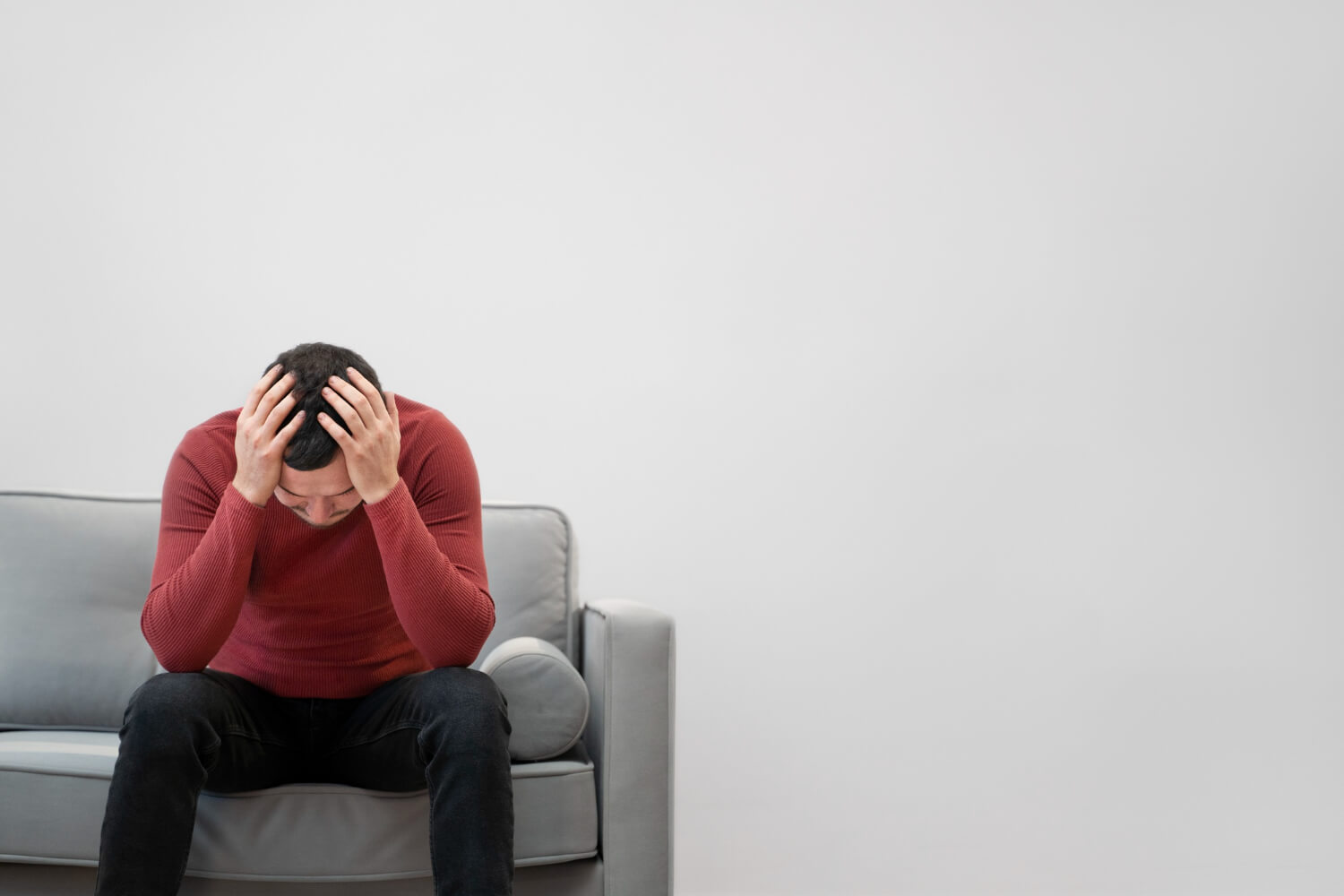
Psychological risks:
Sleep deprivation can cause serious psychological effects like:
- Change in mood: Lack of sleep can make you irritable and prone to mood swings.
- Cognitive impairment: It can cause people to have low attention span, and working memory and slow down their decision-making power. You may find it harder to concentrate on your day-to-day activities.
- Risk of mental health disorders: People with chronic sleep deprivation can cause the development of mental health disorders. Such individuals may experience anxiety, depression, and even paranoia.
- Cause hallucinations: If you don’t get enough sleep, you may experience hallucinations, which is the seeing or hearing of things that aren’t there. People with bipolar mood disorder may also experience mania as a result of sleep deprivation.
- Microsleeping: You may find yourself microsleeping during the day. You will unknowingly nod off for a few to several seconds during these episodes. If this happens while driving, it can cause serious accidents.
Treating sleep deprivation:
The most obvious treatment for sleep deprivation is getting enough sleep throughout the night, typically around 7 to 9 hours. However, it is not as easy as it sounds. Some people struggle with sleep, especially those who have persistent insomnia. If you haven’t had a good sleep for a while, it’s best to consider other treatments and visit a sleep specialist. Sleep-related issues that can be diagnosed by a specialist could be:
- Restless leg syndrome
- Obstructive sleep apnea
- Insomnia
- Narcolepsy
- Circadian rhythm disorders
One recent treatment for sleep is the use of sleep patches. These patches are natural supplements that help you enjoy a restful night. They are easy to use and offer benefits for the treatment of sleep deprivation.
Conclusion:
We all understand the importance of a good night’s sleep for our physical and mental well-being. Consistent lack of sleep leads to various health issues. When someone who is experiencing sleep deprivation starts getting enough sleep, the symptoms may be reversed. Restoring adequate sleep after experiencing sleep deprivation may result in feelings of improved health, increased energy and attention, and an improved mood. It may also lower the risk of car accidents or work-related accidents. Sleep deprivation can sometimes affect a person’s social and professional life, causing them to cut back on enjoyable activities because they are tired. Thus, treating sleep deprivation is essential for a healthy, happy life.