
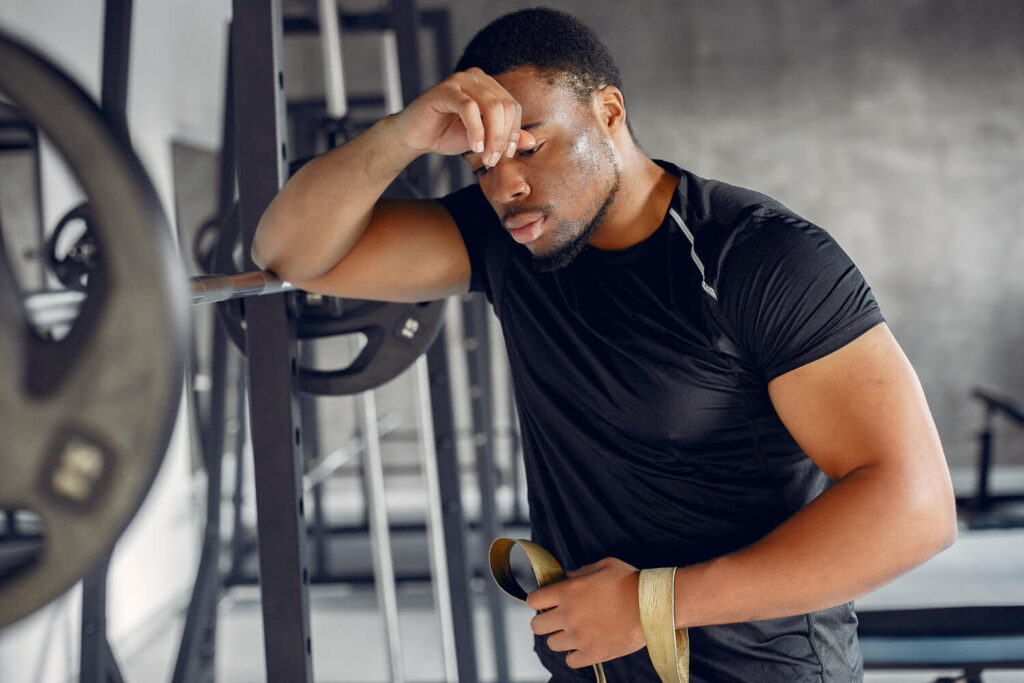
Bodybuilding has always been linked to the quest for physical perfection, but recent research indicates that many individuals also use it as a psychological haven. With such advantages comes some serious psychological and physical hazards associated with bodybuilding that call for more investigation.
Many people start bodybuilding as a response to outside factors. Young males are frequently motivated to pursue the sport by societal norms of masculinity, family role models, and iconic superheroes. These factors are aspiring but usually form frequently unachievable standards of physical attractiveness.
Competitive bodybuilding usually requires a high level of mental and physical dedication. Participants frequently overextend themselves in an attempt to get better, ignoring discomfort or harm. The community exalts this “do whatever it takes” mentality, yet it comes with serious consequences. As an example, many athletes experience exercise addiction, in which their lives become excessively dominated by physical activity.
The Truth About the Stage-Ready Body:
Achieving extremely low body fat levels sometimes in the single digits is a common way for bodybuilders, especially those who compete, to reach their optimum physical condition. Despite its dazzling appearance, there are serious health risks associated with this.
Extreme diet and low body fat:
To look on point of the stage, bodybuilders try to reach unnaturally low levels of body fat. They sometimes reduce their body fat in single digits. Although it may look admiring, but it is not always safe:
- Nutrient Deficiencies: Severe dieting may result in a lack of some vital nutrients, which may have an impact on general health. For example, dietary fat is necessary for the absorption of fat-soluble vitamins (A, D, E, and K). A lack of these vitamins can cause a number of health problems, such as weak bones and blurred vision.
- Bone Health: Low body fat and the hormonal imbalances that follow can have a detrimental effect on bone density, raising the risk of fractures and osteoporosis. Similar to the impacts of obesity, low body fat levels can result in lower bone mineral density.
- Some bodybuilders use dehydration methods to look lean. This can be hazardous to the heart and can cause cardiovascular problems.
Health risks faced by bodybuilders:
There are several contradictions in the competitive bodybuilding industry. Although the sport can help people develop self-control and find a way to express their emotions, it also exposes athletes to negative behaviors and inflated expectations. Social media’s emergence makes these problems even worse by promoting idealized body ideals that are practically impossible to meet without engaging in harmful behaviors.
- Hormonal imbalance: Hormonal imbalances might result from achieving and sustaining exceptionally low body fat. For men, this frequently translates into lower testosterone levels, which can impact libido, muscle mass, and general vitality. Menstrual cycle irregularities can cause amenorrhea and other disorders in women.
- Immune system suppression: Long-term, rigorous training and dieting regimens can impair immunity, leaving bodybuilders more vulnerable to diseases and infections.
- Cardiovascular stress: The cardiovascular system may be severely strained by the drastic methods used to lose body fat, such as severe calorie restriction and dehydration. Arrhythmias and heart attacks are among the heart issues that are made more likely by this.
- Mental health issues: Anxiety, sadness, and eating disorders are among the serious mental health conditions that can result from the pressure to maintain an ideal body image.
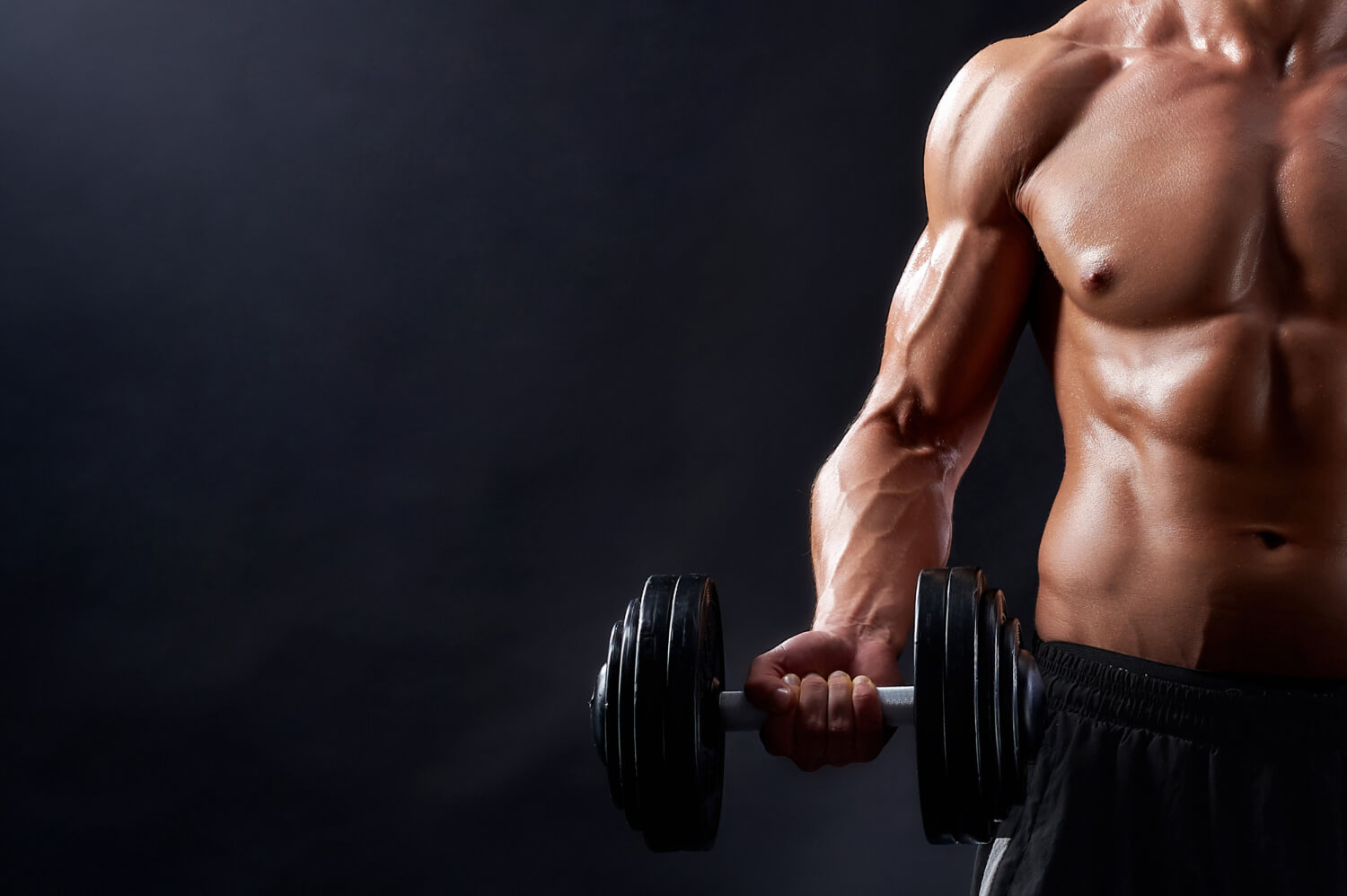
Dangers of dietary supplements used for bodybuilding:
Athletes and bodybuilders who want to increase their energy, strength, and muscle mass sometimes use dietary supplements. Nevertheless, some of the components in these products can be hazardous, while others might not have been shown to be effective. Here are things to be aware of when it comes to nutritional supplements that are promoted for athletic performance and bodybuilding.
-
Hidden harmful chemicals:
Products containing ingredients from banned narcotics, prescription drugs, or other ingredients not specified on the label may be unknowingly taken by consumers. It is possible for bodybuilding supplements to contain anabolic steroids, which are altered forms of male hormones intended to promote muscle growth. Anabolic steroids can increase strength, but they can also result in serious, chronic, and sometimes irreversible side effects like kidney failure, liver tumors, early heart attacks, strokes, and mental health issues. Depression brought on by withdrawal of use may result in relapse.
-
Increased liver injury due to supplements:
In recent years, there has been a rise in liver damage caused by bodybuilding dietary supplements. The most frequent cause of liver damage associated with the use of herbal or nutritional supplements is bodybuilding goods.
-
Some ingredients might not be effective:
There is no proof that certain compounds advertised for athletic performance are effective. These components consist of L-arginine, zinc/magnesium aspartate, glutamine, choline, methoxy isoflavone, and quercetin. While there are conflicting results, beta-alanine does not appear to considerably enhance athletic performance.
-
Creatine side effects:
Although they may increase the benefits of intense exercise on strength, muscular mass, and endurance, creatine supplements can potentially have negative side effects. Fluid weight gain, cramps, diarrhea, and nausea are possible side effects.
Take control of your health by discussing any alternative health methods you are using for bodybuilding or performance-enhancing with your healthcare practitioners. That’s how you can make well-informed decisions together.
Mental health risks:
Bodybuilding not only stresses your body, but having the right body image in your mind can also affect you mentally:
- A lot of bodybuilders have a physique obsession. To stay thin, they could take up dangerous habits or eating disorders.
- Anxiety, despair, and low self-esteem can result from the pressure to appear flawless.
- Some people turn to bodybuilding as a coping mechanism for their emotional issues. This may result in exercise addiction, where exercising becomes their entire life.
Eating disorders:
Bodybuilders are more susceptible to eating disorders because they place a great deal of emphasis on their appearance.
- Unhealthy eating habits might result from strict diets and a fear of gaining weight.
- Some bodybuilders suffer from disorders like bulimia or anorexia, in which they force themselves to throw up after eating or eat too little.
Other side effects:
Extreme diets and bodybuilding medicines can lead to a host of other health issues.
- Steroids frequently cause oily skin and acne as adverse effects.
- Particularly in men, hair loss is possible.
- Certain medications might weaken the body’s defenses against infections.
- Bodybuilding drug use among teenagers may cause them to stop growing and stay shorter than average.
Conclusion:
When done correctly, bodybuilding can be a good way to maintain your strength and fitness. However, aiming for extreme outcomes can be risky. Hormone disorders, liver and heart damage, mental health disorders, and other conditions are among the hidden health hazards. It is crucial to keep in mind that having good physical health does not always mean having good internal health.
Focus on balanced training, a healthy diet, and staying away from dangerous supplements and substances if you or someone you know is interested in bodybuilding. Before beginning an extreme diet or using any new supplements, always see a doctor. Your appearance on stage is not as crucial as your health.