
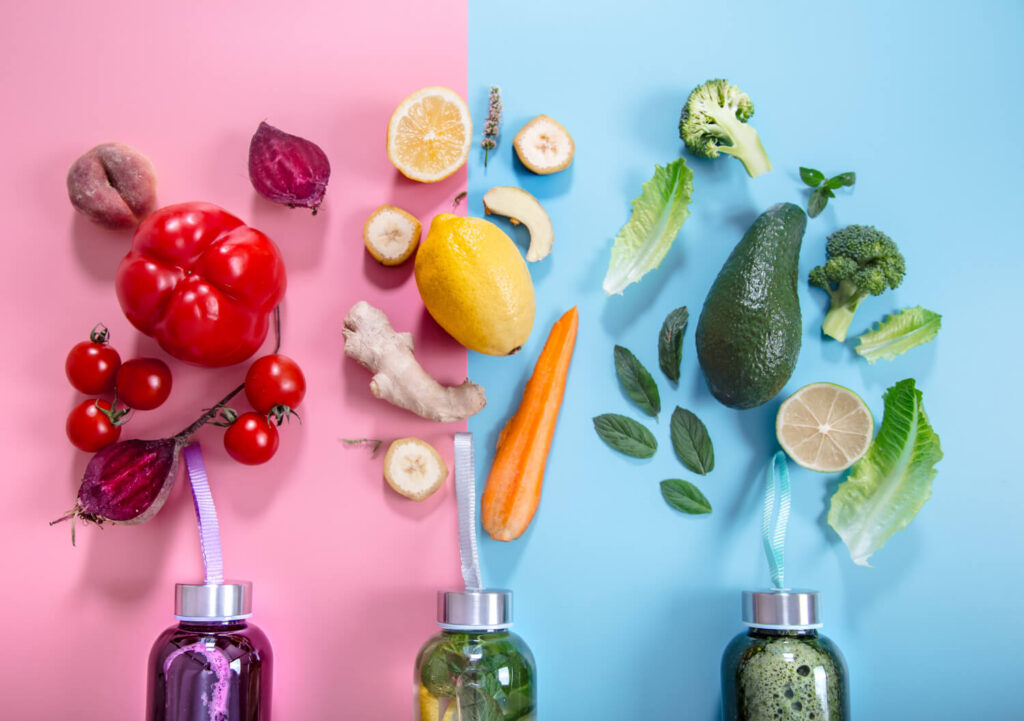
Glutathione, often referred to as the body’s master antioxidant, has numerous advantages. For good reason, it’s found in almost every cell in your body. Glutathione is the subject of more than 139,000 peer-reviewed scientific publications, and its use is gaining popularity.
Glutathione is the only antioxidant produced in the liver. It is said to aid in hangover recovery and is crucial to the detoxification process. Since the liver contains the majority of your body’s glutathione, it makes sense!
Even if we have an abundance in the body, a variety of factors, many of which are beyond our control, can lower glutathione levels. Poor nutrition, pollutants, drugs, radiation, stress on the body and mind, and aging are a few of them. In this article, we will explore what glutathione is and how it benefits in various ways to our body.
What is glutathione?
Glutathione is a potent antioxidant, present in all bodily cells. It is composed of three different kinds of molecules called amino acids. All of the body’s proteins are made up of various combinations of amino acids. The ability of the body to produce glutathione in the liver sets it apart from most other antioxidants.
Glutathione plays many important functions in the body, including:
- producing DNA, which serves as the foundation for proteins and cells and supports immunological function.
- dissolving a few free radicals
- supporting the regular death of cells (a process known as apoptosis), rebuilding vitamins C and E, and assisting specific enzymes in their function
- It aids the liver and gallbladder in metabolizing lipids.
Researchers have discovered connections between certain illnesses and low glutathione levels. Glutathione levels can be raised by intravenous (IV) or oral supplementation.
Benefits of taking glutathione supplements:
There are numerous benefits of taking glutathione supplements.
1. Combats oxidative stress:
Glutathione is a crucial antioxidant that helps prevent the consequences of oxidative stress, which is triggered by the accumulation of free radicals in the body. Oxidative stress is one of the several causes of conditions, including diabetes, arthritis, and cancer.
Other vital antioxidants that your body needs, such as CoQ10, vitamin C, and vitamin E, are also recycled by glutathione.
2. Supports energy levels:
The antioxidant glutathione helps protect cells from oxidative stress by preventing damage to the mitochondria, the cell’s energy-producing powerhouse. This is why low energy levels are known to be caused by low glutathione levels.
3. Helps with detoxification:
Glutathione aids in detoxification since it is particularly abundant in the liver. It accomplishes this by attaching itself to poisons and undesirable things and getting rid of them from your body. When glutathione levels are low, our body struggles to detoxify properly.
4. Works against inflammation:
Chronic, systemic inflammation can be brought on by an imbalance in the body caused by toxins, food, stress, infections, and other lifestyle factors. You need additional protection in such a situation. Research has demonstrated that glutathione lowers inflammation by controlling immune cells.
Another consequence of glutathione is N-acetylcysteine, a drug used to treat respiratory diseases like cystic fibrosis and asthma. It lowers the body’s general level of inflammation in addition to aiding in the reduction of mucus.
5. Supports skin health:
Over time, the sun, wind, and contaminants can harm your skin, causing wrinkles, age spots, and dryness. Glutathione is essential for cells’ ability to repair and renew. This can increase suppleness, combat skin disorders like acne, and lessen the visibility of wrinkles.
6. Encourages skin brightening:
The ability of glutathione to encourage a more even and radiant skin tone is well known. By blocking the tyrosinase enzyme, which produces melanin, it lessens blemishes, dark patches, and hyperpigmentation. Frequent supplementation has been demonstrated to progressively lighten the skin and lessen the visibility of sunspots and acne scars.
7. Aids brain health:
Neurons in the brain deteriorate with age. Glutathione’s antioxidant effect allows it to slow down this degradation process, which is only one of its numerous advantages.
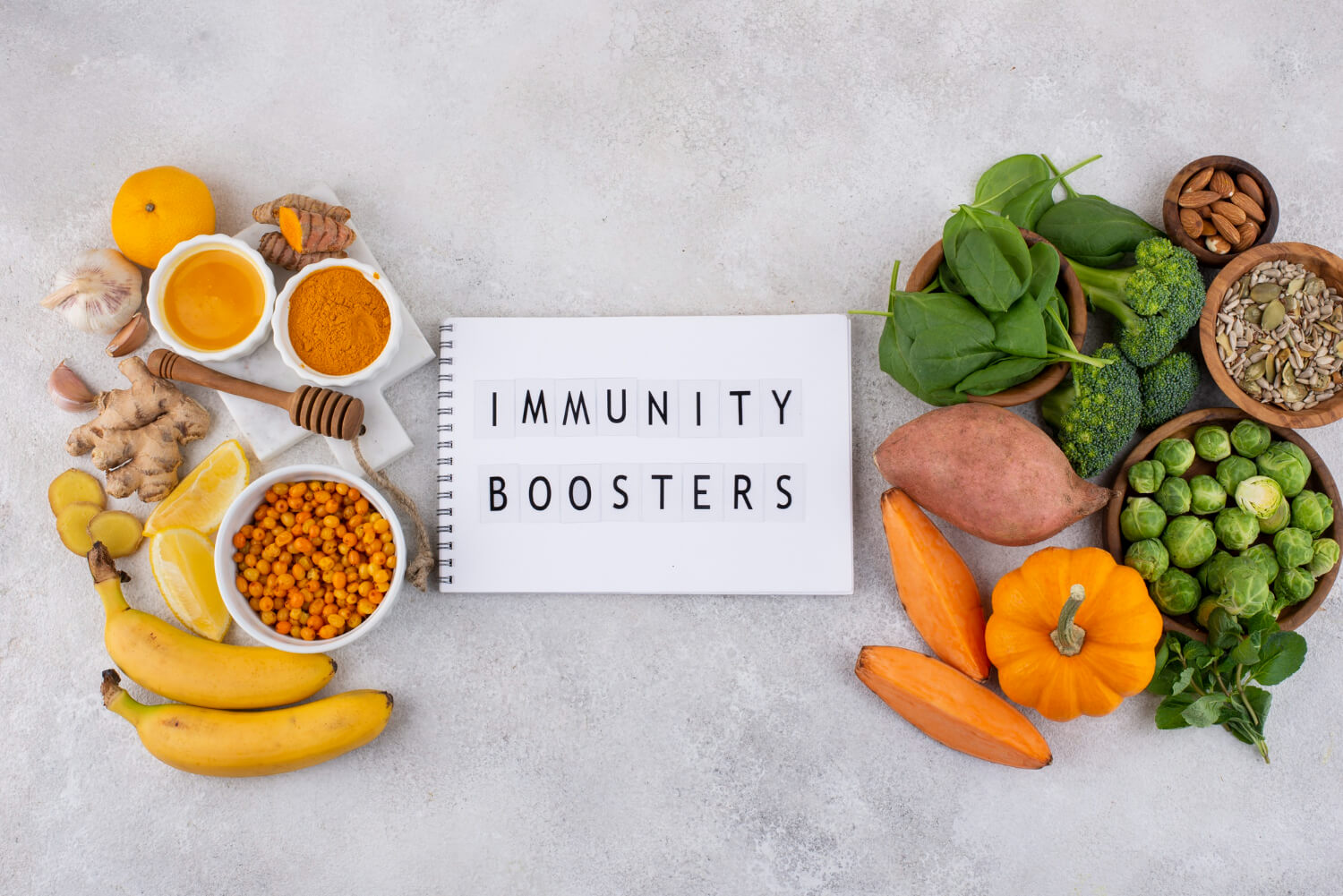
8. Helps boost immunity:
Your immune system is strengthened by glutathione! It primes your white blood cells, which are the cells that fight off bacteria and viruses when they first enter your body, according to studies.
9. Improve exercise performance:
According to certain research, glutathione can decrease blood lactic acid levels, lessen fatigue, and enhance athletic performance. This is crucial because elevated lactic acid in the body can cause breathing issues, low blood pressure, muscle aches, exhaustion, and a reduction in body temperature.
Amounts and dosage:
Supplemental glutathione can be injected, inhaled, or given orally. The recommended method for treating lung disorders is inhalation. Glutathione is frequently given intravenously to lessen the negative effects of chemotherapy. Glutathione has no suggested daily allowance. Consult your physician to ensure that the amounts in supplement formulations are suitable for you.
Sulphur-containing foods can aid in increasing the body’s production of glutathione. Among these foods are:
- Beef,
- Almonds
- Spinach
- Garlic
- Broccoli
- Asparagus
Side effects of glutathione:
In general, there are no dangers associated with a diet high in foods that increase glutathione. Nevertheless, not everyone should use supplements. To find out if glutathione is right for you, talk to your healthcare provider. Some potential adverse effects include:
- cramping in the abdomen
- Bloating
- breathing difficulties brought on by bronchial constriction and allergic reactions, including rash
Conclusion:
The body produces glutathione, a potent antioxidant, in its cells. Stress, aging, and exposure to toxins all cause its levels to drop. Reducing oxidative stress is one of the numerous potential health advantages of increasing glutathione.
Additional advantages of glutathione include the ability to alleviate psoriasis and insulin resistance. It might also lessen the harm caused by fatty liver disease. Even though glutathione is usually regarded as safe, you should see your doctor before starting any supplementation.
References:
- https://www.webmd.com/vitamins-and-supplements/glutathione-uses-risks
- https://pmc.ncbi.nlm.nih.gov/articles/PMC2696075/
- https://www.sciencedirect.com/science/article/pii/S1074761317301292
- https://www.paulaschoice.com/expert-advice/skincare-advice/ingredient-spotlight/glutathione-for-skin.html