
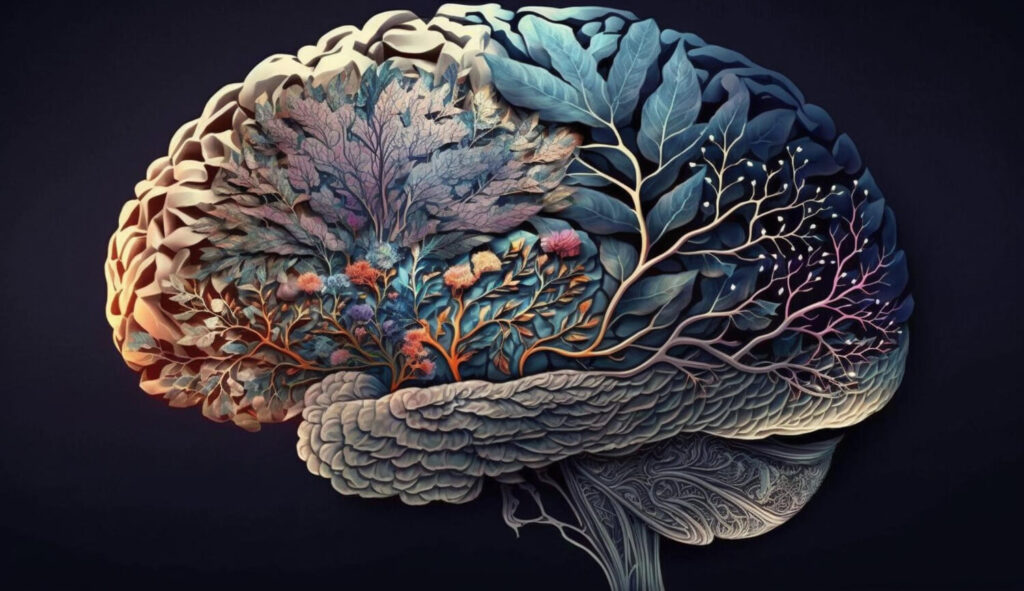
Hormonal changes greatly impact women’s mental clarity and cognitive wellness. Hormone variations can be caused by several factors during a woman’s life, including pregnancy, perimenopause, menopause, and thyroid problems. A condition known as “brain fog,” characterized by trouble concentrating, recalling details, and thinking clearly, is frequently brought on by these changes. Although this feeling is not unusual, it can be upsetting and interfere with day-to-day activities.
Hormones are vital to our general health and control everything from mood to metabolism. Stress and unhealthy eating habits, however, can upset the delicate balance of this system. You can balance your hormones and support your endocrine system by eating the correct foods. Let’s examine how the best nutrients for hormonal balance might help you achieve cognitive wellness.
Connection between diet and hormones:
Hormones function as chemical messengers that affect several physiological functions in the body. Their synthesis, release, and balance can be impacted by specific foods, which can have an impact on general health. Foods high in vitamins, minerals, and good fats are part of a hormone-balancing diet because they promote endocrine health and guard against hormonal abnormalities. For example, phytoestrogens can imitate oestrogen and assist in balancing female hormone levels, while omega-3 fatty acids aid in hormone production.
What is cognitive function?
The term “cognitive function” describes our mental capacities for memory, learning, focus, and decision-making. For instance, employing your cognitive function would be required if you were to memorize the items on a grocery list. When attempting to solve a mathematical issue, your cognitive capabilities are being used. We are depending on our brain strength to think, remember, and learn when we use these skills.
A slight reduction in cognitive ability is normal as we age. There is no need to be concerned about this, as it is a normal aspect of aging. This decline, however, might be accelerated or slowed down by certain factors. Among these is nutrition, which we will discuss in greater detail shortly.
Connection between diet and cognitive function:
Many people are unaware of how much nutrition affects cognitive performance. Our cognitive abilities and brain function are directly impacted by the foods we eat. The brain needs particular nutrients to function correctly, just like any other organ in our body. Furthermore, certain nutrients are particularly helpful for preserving cognitive function, and certain diets provide the highest concentration of these nutrients.

Best nutrients for hormonal balance and cognitive health:
Let’s explore the best nutrients that are helpful for hormonal balance and cognitive health:
Omega-3 fatty acids:
One kind of unsaturated fat that is vital to human health is omega-3 fatty acids. One of the many reasons they are required is to preserve cognitive function.
Omega-3 fatty acids help to improve cognitive performance by lowering inflammation, which is our body’s natural reaction to illness or damage. On the other hand, chronic inflammation might cause issues with cognitive function. Omega-3 fatty acids guard against brain cell damage and help lower chronic inflammation.
Additionally, nerve cell development and maintenance depend on omega-3 fatty acids. They contribute to learning and memory and facilitate nerve cell-to-nerve cell transmission. They have also been demonstrated to alleviate the symptoms of depression, dementia, and Alzheimer’s disease.
Vitamin B6. B12 and folate:
Water-soluble vitamins, such as folate, B6, and B12, are vital for both cognitive and nutritional processes.
The production of neurotransmitters like dopamine and serotonin depends heavily on vitamin B6. Sleep, energy levels, and mood are all influenced by these neurotransmitters. By lowering blood homocysteine levels, vitamin B6 also aids in preventing cognitive deterioration. Alzheimer’s disease and dementia have been connected to elevated homocysteine levels.
The synthesis of DNA and red blood cells depends on vitamin B12. It also maintains the activity of nerve cells and helps shield them from harm. Alzheimer’s disease, dementia, and cognitive decline have all been connected to vitamin B12 deficiency.
Folate has a critical role in DNA synthesis and cell division. Additionally, by lowering blood homocysteine levels, it aids in preventing cognitive degeneration.
Antioxidants:
Antioxidants aid in defending cells from harm brought on by free radicals. Reactive chemicals known as free radicals can harm cells and cause inflammation. Antioxidants aid in lowering inflammation and eliminating free radicals.
Although there are many distinct kinds of antioxidants, vitamins A, C, and E are among the most crucial for cognitive function:
- Both the immune system and vision depend on vitamin A.
- A strong antioxidant, vitamin C, aids in preventing damage from free radicals.
- Another strong antioxidant that can help shield cells from harm is vitamin E, which has also been demonstrated to assist Alzheimer’s patients in avoiding cognitive deterioration.
Vitamin D:
From bones to immunity, vitamin D is essential for the health of numerous bodily systems and organs. However, it also supports cognitive function. It turns out that a startlingly high percentage of Americans lack this vital mineral.
Although vitamin D can be obtained from the sun, it is not advised because doing so exposes you to UV radiation. Diet may also be insufficient.
L-theanine and creatine:
L-theanine is a naturally occurring amino acid. According to some research, it may improve brain functions, including memory and focus.
Supplements are most effective when taken with caffeine because it was first discovered in tea. (In addition, caffeine itself might be good for the brain.)
Additionally, creatine is demonstrating potential in supporting cognitive function. Bodybuilders love this amino acid because it is more frequently linked to muscle growth. But it might also provide neuroprotection and enhance the brain’s energy supply.
The role of hormones in cognitive function:
Brain function is closely related to hormones such as progesterone and oestrogen. These hormones aid in the regulation of brain neurotransmitters that affect mood, memory, and cognitive function. Stable hormone levels promote rational thought and emotional equilibrium. However, the balance may be upset at times of hormonal change, such as menopause or pregnancy, which can result in cognitive difficulties.
- A woman’s body experiences major hormonal changes to assist the growing fetus throughout pregnancy. These alterations may impair the brain’s capacity for processing information, which may occasionally lead to forgetfulness or trouble focusing.
- Similarly, oestrogen levels naturally decrease during the perimenopause and menopause, which can affect memory and cognitive function. Mental haze is a common complaint among women in this period of life, which can be concerning and annoying.
- Another important component in this equation is thyroid health. Hormones that control energy levels, metabolism, and brain activity are produced by the thyroid gland. The symptoms of brain fog, including forgetfulness and difficulties concentrating, might be caused by hypothyroidism, a condition in which the thyroid does not release enough hormones. This demonstrates even more how closely hormone levels and cognitive function are related.
Conclusion:
Aspects of women’s health that are closely related to hormonal balance and mental cognition are impacted by both age and lifestyle choices. Oestrogen is essential for cognitive function; changes in this hormone over the menstrual cycle and menopause affect mood, memory, and learning. The important components of a diet that support both hormonal and mental health are B vitamins, omega-3 fatty acids, magnesium, vitamin D, phytoestrogens, antioxidants, and healthy fats
Women can maximize their hormonal balance and cognitive vigour throughout their lives by putting an emphasis on eating a diet high in nutrients, keeping their guts healthy, controlling their stress, and getting help from a specialist when necessary.
References:
- https://bermansexualhealth.com/lifestyle-interventions-for-supporting-brain-health-in-women-withhormone-imbalances/
- https://www.medicalnewstoday.com/articles/cognitive-functioning
- https://pmc.ncbi.nlm.nih.gov/articles/PMC7764703/
- https://pubmed.ncbi.nlm.nih.gov/18296328/