
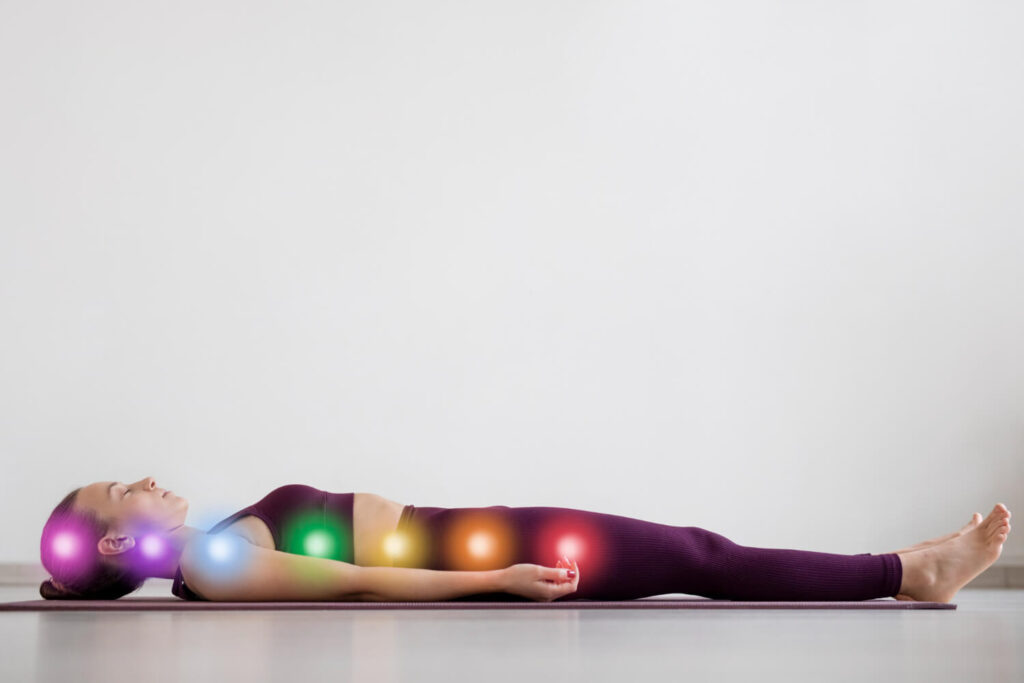
One of the less typical signs of menopause may be skin tingling, numbness, or a sensation of “pins and needles” in your hands, feet, limbs, face, or body. Doctors call this sensation paraesthesia, and researchers link it to changes in oestrogen and other reproductive hormones during the perimenopause, the time leading up to menopause. Because these hormones influence nerve signalling and circulation throughout the body, they may explain why women experience skin tingling during perimenopause. However, researchers still need to conduct further studies to confirm the connection.
For some women, menopausal paraesthesia often experienced as skin tingling or even a burning sensation can be unpleasant, unsettling, and distracting. In this article, we will examine paraesthesia symptoms and potential causes in greater detail below, along with possible remedies and lifestyle modifications.
What is paraesthesia?
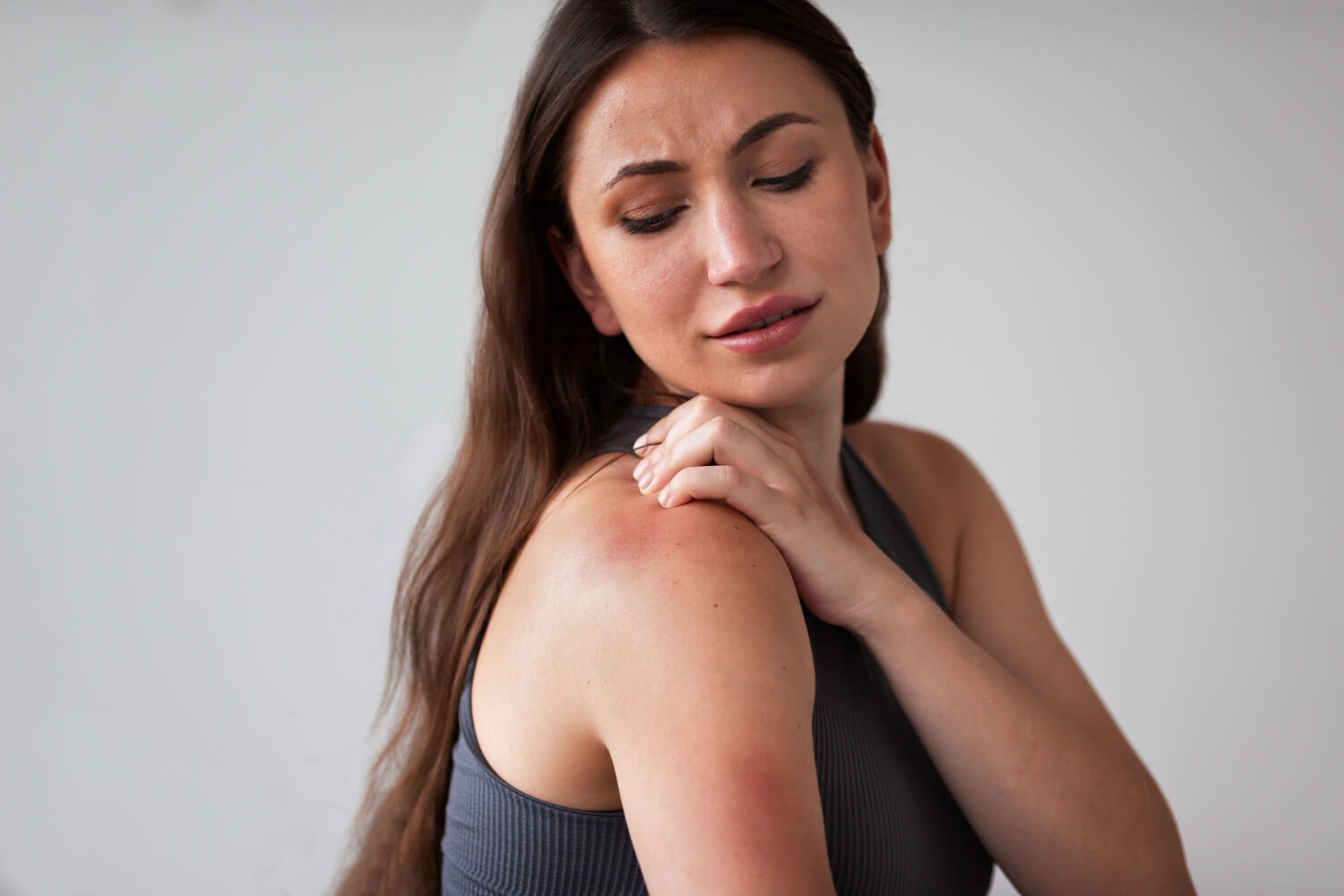
When you experience tingling, burning, pricking, skin crawling, itching, “pins and needles,” or numbness on or just beneath your skin, it’s called paraesthesia. It occurs without any external cause or warning and can affect various parts of your body.
It is common to experience paraesthesia. Occasional sensations like skin crawling or tingling are normal and often harmless, simply reflecting the regular functioning of your body. However, paraesthesia may occasionally indicate a health problem.
Two primary types of paraesthesia exist:
- The more prevalent kind is transient (temporary). It doesn’t endure long, as the name implies. If you sit in a particular position for an extended period, you might experience a momentary tingling or pins-and-needles sensation in your leg. The sensation should return to normal when you extend your leg.
- Paraesthesia that persists and doesn’t go away is referred to as persistent (chronic). Usually, it’s a sign of something that might require medical care.
Do hormone changes during menopause cause paraesthesia?
There is currently little study explicitly examining whether paraesthesia during perimenopause and menopause is related to hormonal changes, and the exact source of paraesthesia is unknown.
Hot flashes, anxiety, and brain fog are just a few of the many other menopausal symptoms brought on by fluctuating levels of oestrogen and progesterone, and there are some indications that paraesthesia during perimenopause could also be linked to these hormonal changes.
We also know that estrogen affects how the central nervous system works, particularly how it transmits sensations throughout the body. Unusual sensations, such as paraesthesia during perimenopause, could result from these signals being disrupted by fluctuating oestrogen levels. This may also help explain why women become more sensitive to pain as they go through the menopause.
Reduced circulation, especially to the extremities, is another sign of menopause. Cutting off circulation in this way can cause the same kind of numbness, followed by pins and needles, that some women experience during the perimenopause.
Symptoms of menopausal paraesthesia:
The most common description of menopausal paraesthesia is a tingling feeling; however, the affected locations can produce different kinds of sensations.
Women explain their paraesthesia in a variety of ways, including:
- A tingling sensation
- Pins and needles buzzing
- Numbness from prickling, creeping static
- Scorching and stinging
- Ache in the nerves
- Electric shock
Also, you might feel different things at different times, like numbness and then pins and needles.
Where can you get menopausal paraesthesia?
Everybody has a unique perimenopausal and menopausal experience, and women describe menopausal paraesthesia in many various areas of their bodies, such as:
- Both hands and feet
- Legs and arms
- Head, face, and ears
- Torso, chest, or entire body
Over time, symptoms may shift and appear in different locations. Additionally, they could be felt in very precise places, like a single numb spot.
It’s crucial to remember that menopausal paraesthesia can occasionally be a sign of another illness. For more information, including when to consult a doctor, see the section at the bottom of this article.
Possible causes of paraesthesia:
When paraesthesia is persistent, it occurs frequently or continuously. It’s more likely to result from major reasons, which typically fit into specific groups.
- Circulatory causes: Circulatory causes are one major category. Your nerves’ ability to transmit messages to and from your brain can be interfered with by a lack of circulation that affects them. Paraesthesia may result from that. One circulatory disorder that can result in paraesthesia is thoracic outlet syndrome. Reynaud’s syndrome can also manifest as a type of circulatory-related paraesthesia when it is chronic.
- Nervous system: Your brain, spinal cord, or nerves anywhere in your body may be affected by neurological factors.
- Metabolic and endocrine causes: Vitamin deficiencies, disorders affecting specific hormones, and other illnesses are examples of metabolic and endocrine causes.
- Infectious diseases: When infectious diseases impact nerves or brain regions, it usually results in paresthesia.
- Autoimmune and inflammatory disease: When your immune system targets specific body parts, it is known as an autoimmune condition. One of the potential signs of an autoimmune disease that targets your nerves is paraesthesia. Additionally, edema and tissue alterations that impact neurons can be caused by inflammatory disorders.
Lifestyle adjustments to reduce symptoms:
Simple lifestyle changes can significantly improve your overall symptoms and increase comfort during the menopause transition.
1. A healthy diet:
A nutritious, well-balanced diet may lessen the intensity of some menopausal symptoms while also assisting in maintaining the health of your neural system.
Try to incorporate plants in your diet, such as fruits, vegetables, beans, pulses, nuts, and seeds, to ensure that you’re getting a variety of nutrients. Limit ultra-processed foods like packaged snacks and sugary drinks, and choose wholegrains over highly processed options like white rice and bread. Phytoestrogens are substances found in a variety of plants. These may lessen some menopausal symptoms by simulating some of the roles of oestrogen.
2. Exercise regularly:
Frequent exercise increases circulation, which can reduce pins and needles and numbness. It has also been demonstrated to lessen other menopausal symptoms, including pain sensitivity.
It is recommended to do 75 minutes of intensive exercise, like jogging, spaced out over several days, or at least 150 minutes of moderate exercise, like brisk walking, every week. Additionally, you should attempt to incorporate a few strength-training sessions, such as bodyweight exercises or weight training.
3. Cut off smoking:
Smoking narrows your blood vessels and decreases blood flow, whereas exercising increases circulation. The blood supply of your toe can be shut down for up to three hours by smoking a single cigarette. You may become more sensitive to pain if you smoke.
4. Hormone replacement therapy:
HRT replaces the progesterone and estrogen that are lost as a result of menopause. It may be helpful for many menopausal symptoms, such as vaginal dryness, mood swings, and hot flashes, but it may not be effective for everyone who tries it.
Research on the effects of hormone replacement therapy on paraesthesia is scarce, but anecdotally, many women report that it has lessened or eliminated their symptoms, while others claim it hasn’t made a difference.
5. Proper hydration:
Drinking enough water is crucial for both keeping your skin hydrated and for preserving general health. This can be especially beneficial for easing the uncomfortable crawling feelings that are frequently seen throughout menopause.
Conclusion:
Hormonal changes during menopause, particularly a decrease in estrogen, often trigger skin tingling, crawling, or scorching sensations by affecting skin health and nerve activity. For most women, these symptoms are temporary and fade as hormone levels stabilize.
Although usually harmless, women should see a doctor if the symptoms worsen, persist, or become severe to rule out other causes such as diabetes, thyroid problems, or vitamin deficiencies. Simple self-care practices—like managing stress, maintaining balanced nutrition, moisturizing, and using gentle skincare can often reduce discomfort. By staying proactive and informed about these changes, women can navigate menopause with greater comfort and confidence in their health.